
If you're planning a new warehouse or expanding an existing facility, the first question is almost always the same: what is this going to cost?
The honest answer in 2026 is that, depending on the system type — and the full project cost depends on far more than the steel itself. Installation, seismic certification, safety decking, and forklift changes can quietly add tens of thousands of dollars on top of your equipment quote.
This guide gives you realistic 2026 price ranges for every major racking system, a breakdown of the hidden costs buyers overlook, and a budgeting framework you can use to get an accurate quote the first time.
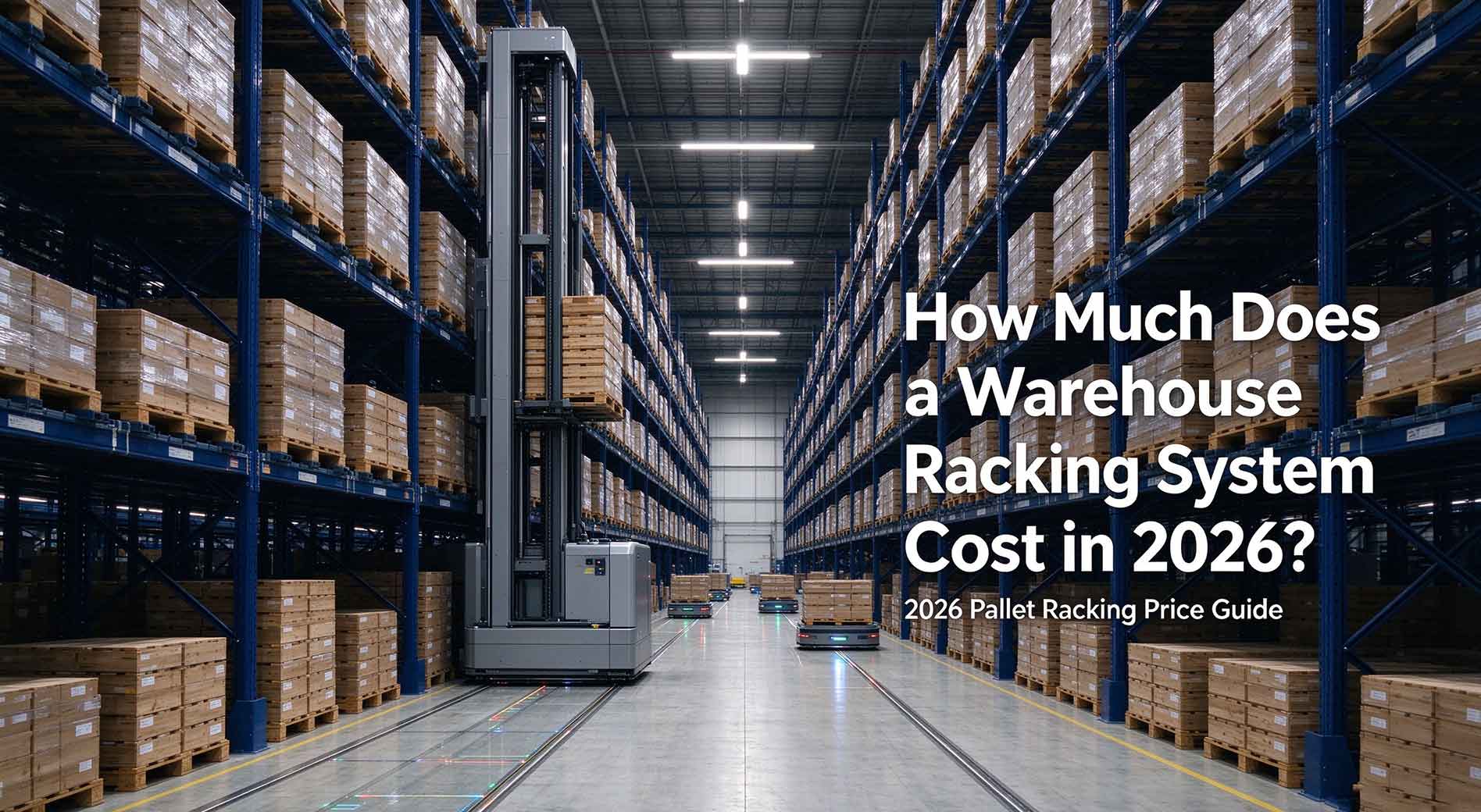
First-time buyers are consistently surprised that the equipment line is only part of the story. A full project typically stacks up like this:
Steel is the single largest cost driver, accounting for roughly 55–70% of finished racking cost. In 2026, steel prices have stabilized after several years of volatility, but they still move — a 20% swing in steel price typically translates to a 12–15% change in delivered racking cost. Raw steel alone explains most of why your neighbor's quote differs from yours.
Professional installation is a separate line item and is not optional for safety and warranty reasons. Rates vary by region and by rack height — high-bay and automated systems require specialized crews, rigging, and sometimes lifting equipment, which pushes labor costs up sharply.
In many markets, rack design is governed by structural standards such as ANSI MH16.1 (referenced by the U.S. International Building Code). Seismic anchoring, engineering stamps, and load certification add cost — and are non-negotiable in earthquake-prone regions.
Heavier or higher racking often forces changes to your floor slab, fire suppression system (sprinkler clearance rules), and lighting. Going automated may also require different forklifts or a WMS integration. Budget 5–15% of the equipment cost for these knock-on effects.
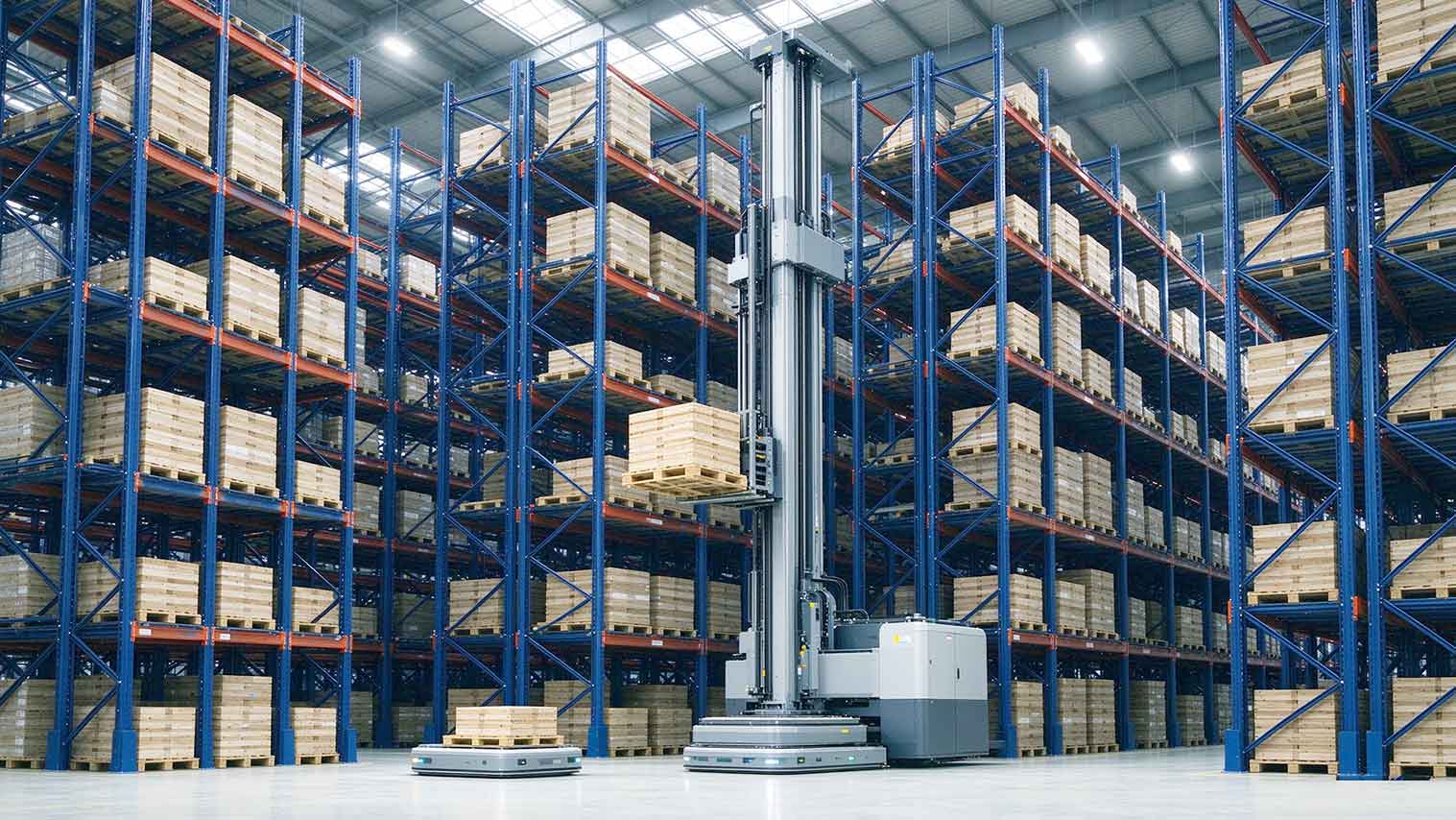
If your independent warehouse supplies run on high throughput and labor costs, the "smart" route becomes compelling. Full AS/RS (Automated Storage & Retrieval System) installations range from $2M to $10M, with unit-load systems priced around $150–$500 per pallet position. Semi-automated solutions — like radio shuttle systems that move pallets within the rack structure — offer high density at a fraction of the cost of full AS/RS.
Automation shifts the economics from upfront capital to lifetime total cost of ownership (TCO): less labor, higher storage density, fewer forklift accidents, and 24/7 operation. The payback window for well-designed automated systems typically runs 3–7 years depending on labor rates and throughput.
How much does a warehouse racking system cost per pallet position in 2026?
Basic selective racking runs $50–$200 per pallet position fully installed. High-density and automated systems range from $150–$850+ per position.
Is installation included in racking quotes?
Rarely. Installation is usually quoted separately and represents 15–25% of total project cost.
Is buying used racking safe?
It can be, for low-bay selective systems with proper inspection and documentation. Avoid used components for high-bay, seismic-rated, or automated installations.
When is AS/RS worth the investment?
Typically when you store 5,000+ pallets, face rising labor costs, or need 24/7/high-throughput operation. Full AS/RS runs $2M–$10M; semi-automated shuttle systems offer a lower-cost entry point.
What drives racking price the most?
Steel, which accounts for 55–70% of finished racking cost, followed by installation labor, seismic certification, and safety decking.
Racking prices in 2026 are competitive and, with steel stabilizing, this is a reasonable time to budget a project. But the only way to know your number is to get an engineered quote built around your pallet size, load weights, building height, and SKU mix.
leave a message
Scan to Wechat :

Scan to WhatsApp :

Home
products
contact